
Simple Ways to Reduce Noise at Home for a Peaceful Environment
Creating a peaceful and quiet environment at home is important for relaxation, concentration, and overall well-being. Whether you live in a busy city or a noisy neighborhood, reducing unwanted noise can improve your quality of life. Fortunately, you don’t need to invest in expensive renovations to enjoy a quieter home. In this post, we’ll explore simple and practical ways to reduce noise at home and create a more tranquil living space.
Understanding Noise at Home
Noise can come from various sources such as traffic, neighbors, household appliances, or even your own activities. It can affect your sleep, stress levels, and productivity. By identifying the sources of noise and applying some effective strategies, you can significantly lower noise levels indoors.
1. Seal Gaps and Cracks
One of the easiest ways to reduce noise infiltration is to seal gaps and cracks around windows, doors, and walls:
– Use weatherstripping: Apply self-adhesive weatherstripping tape to door and window frames to block sound leaks.
– Caulk cracks: Use acoustic caulk or a high-quality acrylic caulk to fill gaps where sound can penetrate.
– Cover keyholes and mail slots: Install covers or seals that can block noise from entering through these openings.
Sealing these small openings can make a noticeable difference in reducing outside noise.
2. Add Soft Furnishings
Hard surfaces reflect sound, which can increase noise levels inside the home. Adding soft materials helps absorb sound waves:
– Rugs and carpets: Place thick rugs or carpets on hardwood or tile floors to reduce echo and noise transfer.
– Curtains and drapes: Heavy, dense curtains can block noise from windows, especially those made with soundproof or thermal insulation fabrics.
– Upholstered furniture: Sofas, armchairs, and cushions also help absorb sound in living areas.
Soft furnishings create a cozier atmosphere and reduce the overall noise inside your home.
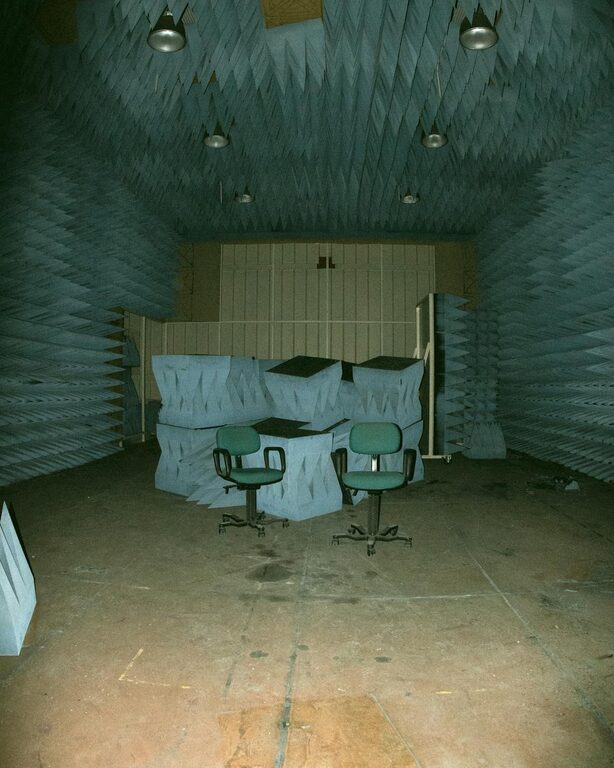
3. Use Sound-Absorbing Panels
For rooms where noise is a challenge, such as home offices or music rooms, sound-absorbing panels can be very effective:
– Foam panels: Acoustic foam panels can be attached to walls or ceilings to reduce echo and noise.
– Fabric-wrapped panels: These panels combine style and function, absorbing sound while complementing your décor.
– Bookshelves: Filled bookshelves act like sound absorbers because the books and shelves disrupt sound waves.
These options can improve sound quality and reduce noise transmission within your space.
4. Rearrange Furniture Strategically
Sometimes, simply moving furniture can reduce noise:
– Place large pieces like bookshelves or wardrobes against shared walls to block sound from adjacent rooms or neighbors.
– Position sofas and chairs away from noisy windows or doors.
– Use furniture to create sound buffers between noisy areas, such as placing a couch between a busy hallway and your living room.
This method requires no special equipment and can have an immediate impact.
5. Install Door Sweeps and Soundproof Doors
Doors are often weak points for sound transmission:
– Door sweeps: Attach door sweeps to the bottom of doors to block noise leaking through gaps.
– Solid doors: Replace hollow-core doors with solid wood or solid-core alternatives for better sound insulation.
– Door seals: Use adhesive seals around door frames to minimize sound leakage.
Upgrading your doors can be a worthwhile investment if noise is a persistent problem.
6. Reduce Noise from Appliances and Electronics
Household appliances and electronics can generate unwanted noise:
– Maintain appliances: Regularly clean and service items like fans, air conditioners, and washing machines to keep them running quietly.
– Place appliances on soft mats: Use rubber or silicone mats under noisy appliances to absorb vibrations.
– Turn off unused electronics: Power down gadgets and devices you don’t need to reduce background noise.
Managing your appliances’ noise output contributes to a calmer home environment.
7. Create Quiet Zones
Designate certain rooms or areas as quiet zones where noise is minimized:
– Use rugs, curtains, and soft furnishings as described above.
– Keep electronic devices on silent or low volume in these zones.
– Inform family members or housemates about quiet times to respect these areas.
Setting up quiet zones helps everyone enjoy peaceful moments at home.
8. Use White Noise or Soft Music
While this might seem counterintuitive, introducing controlled sound can mask unwanted noise:
– White noise machines: These devices generate consistent background sounds that can cover up disruptive noises.
– Fans or air purifiers: These appliances often produce gentle sounds that help mask other noises.
– Soft music or nature sounds: Playing calming music or nature recordings can create a soothing atmosphere that overpowers distracting sounds.
Using sound strategically can make your home feel more peaceful.
Final Thoughts
Reducing noise at home doesn’t have to be complicated or costly. By sealing gaps, adding soft materials, rearranging furniture, and taking simple steps to manage sound, you can enjoy a quieter and more comfortable living space. Start with easy changes and build from there to create your ideal peaceful home environment.
Remember, a quieter home can improve your rest, focus, and overall happiness—so why not try these simple noise reduction tips today?
