
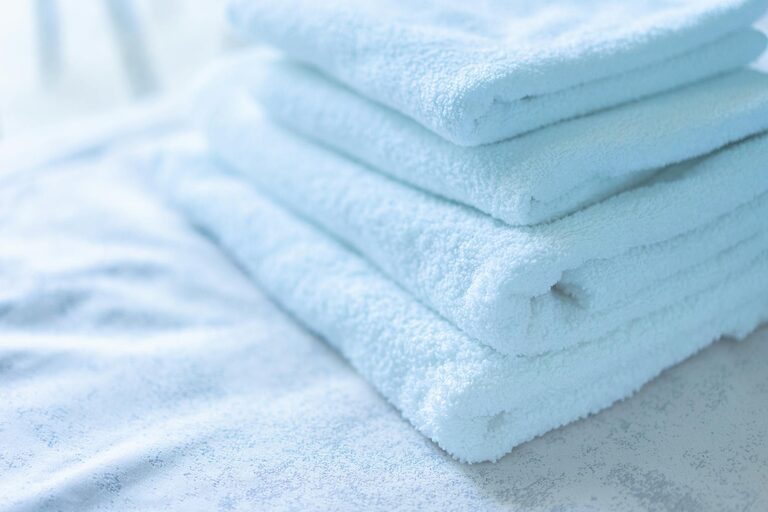
Tips for Keeping Towels Fresh and Fluffy Every Day
Towels are a household essential that we use daily, yet keeping them fresh and fluffy can sometimes feel like a challenge. Over time, towels can become stiff, dull, or even develop unpleasant odors if not cared for properly. Fortunately, with the right tips and practices, you can maintain the softness, absorbency, and freshness of your towels for a long time.
In this post, we’ll share practical advice on how to clean, dry, and store your towels to keep them feeling like new. Whether you prefer cotton, microfiber, or bamboo towels, these tips will help you enjoy fluffy and fresh towels after every wash.
Why Towels Lose Their Freshness and Fluffiness
Before diving into tips, it helps to understand why towels lose their softness and start smelling musty or stiff:
– Residue buildup: Detergents, fabric softeners, and minerals from water can build up on towel fibers, reducing absorbency and softness.
– Overdrying: Exposure to too much heat in the dryer can damage fibers, making towels rough.
– Improper washing: Washing towels with heavy soil or mixing them with lint-heavy fabrics can cause fibers to tangle or become coated.
– Poor drying and storage: Allowing towels to stay damp too long or storing them in a humid area encourages mildew and unpleasant odors.
With these factors in mind, here are actionable tips to prevent common problems and keep towels fresh and fluffy.
1. Wash Towels Separately and Correctly
Use the Right Water Temperature
Washing towels in warm or hot water helps kill bacteria and remove oils and residues effectively. Most towels can handle warm water, but always check your care label first.
Avoid Overloading the Washer
Give your towels plenty of room to move around. Overloading the washer leads to poor rinsing and cleaning, causing detergent buildup and dullness.
Skip Fabric Softener
Fabric softeners may seem like a good idea for softness, but they actually coat the fibers, reducing absorbency and trapping odors. Instead, use a half cup of white vinegar during the rinse cycle to naturally soften towels and dissolve residues.
2. Choose the Right Detergent and Amount
Using too much detergent can leave unwanted residues that make towels scratchy over time. Use the recommended amount for your load size, and consider a detergent formulated for sensitive skin or color care if you have specific towel types. Avoid detergents with added moisturizers or heavy fragrances that may build up on fibers.
3. Remove Odors and Residue with Vinegar and Baking Soda
To refresh towels and remove stubborn odors, add 1 cup of white vinegar to the rinse cycle once a month. Alternatively, you can run a hot cycle with towels and ½ cup of baking soda to break down residue and brighten fibers.
These natural products act as gentle cleaners and deodorants, helping towels regain their softness and freshness.
4. Dry Towels Properly for Fluffiness
Use Medium Heat or Air Dry
High heat can damage towel fibers, so choose medium heat in your dryer to keep towels soft without causing wear. You can also hang towels outside for fresh air drying, but avoid direct sunlight to prevent fading and stiffening.
Toss in Dryer Balls or Clean Tennis Balls
Adding dryer balls or clean tennis balls helps separate towel fibers during drying, allowing hot air to circulate evenly and reduce drying time. This results in fluffier towels without relying on fabric softeners.
Don’t Overdry Towels
Overdrying strips towels of natural moisture, making them rough. Check towels once they are mostly dry and remove them promptly to finish air drying if needed.
5. Shake and Fold Towels Immediately
Once dry, give towels a good shake to loosen fibers and restore fluffiness. Folding or rolling towels immediately prevents wrinkles and flattening, making them seem softer and more inviting.
6. Store Towels in a Cool, Dry Place
Avoid storing towels in damp or humid areas to prevent mildew and musty smells. If possible, keep towels in linen closets with good airflow. You might also add moisture absorbers or sachets with natural scents like lavender to maintain freshness.
7. Replace Old Towels as Needed
Despite best efforts, towels eventually lose their softness and absorbency due to fiber wear. When towels become scratchy, faded, or retain odors after multiple washes, it’s time to replace them. Investing in quality towels and rotating use can extend their lifespan.
Bonus Tips for Specific Towel Types
– Microfiber towels: Wash separately with mild detergent and avoid high heat drying, as microfiber is sensitive to harsh conditions.
– Bamboo towels: Wash in cold or warm water with gentle detergent; avoid fabric softeners to maintain natural softness.
– Colored towels: Use detergents formulated for preserving color and wash in cold water to prevent fading.
—
By following these simple tips for washing, drying, and storing your towels, you can enjoy fluffy, fresh towels every day. Proper towel care not only improves comfort but also extends the life of your towels, saving you money in the long run.
Try incorporating these habits into your laundry routine and notice the difference in your towels’ feel and freshness. Your skin—and your bathroom—will thank you!